
Why branding matters long term
How consistent brand decisions create trust, reduce marketing friction, and quietly lower your cost of growth over time.
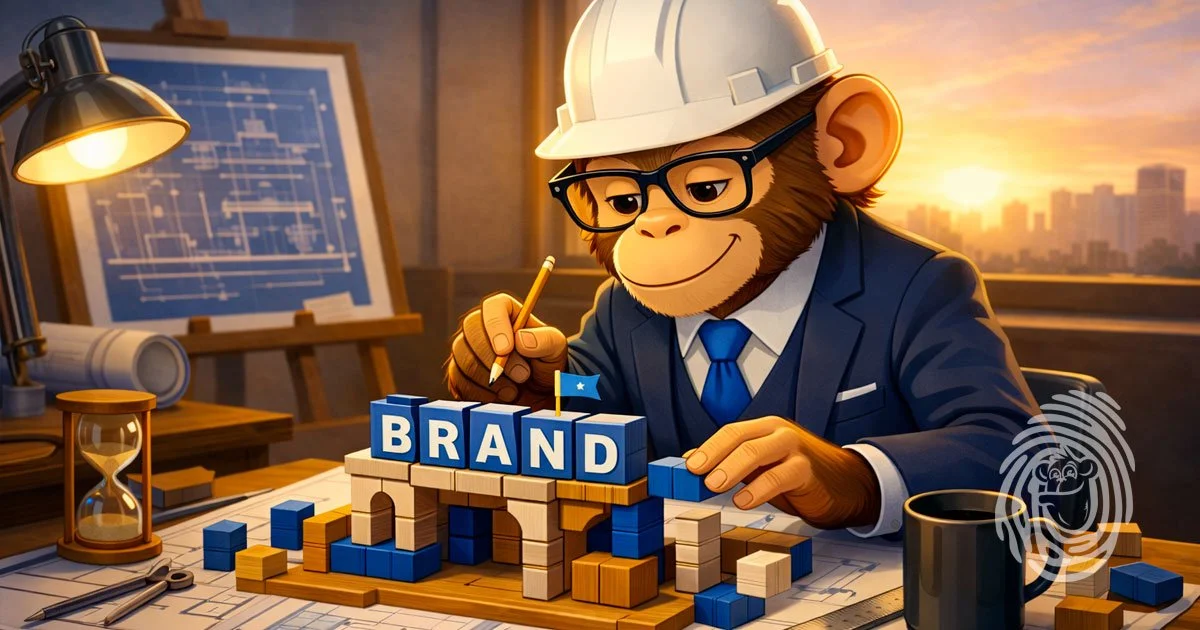
A brand isn’t built in a moment—it’s constructed through consistent decisions over time.
“No one knows who we are.”
Branding conversations often start with this familiar phrase, and it usually shows up after years of steady work, not weeks. The logo has been in place. The colors are recognizable. The voice is consistent. And yet, instead of asking how well that brand has been supported or reinforced, the instinct is often to start over—to change the colors, switch the fonts, rewrite the message. Not because data suggests it’s broken, but because someone at the top is simply tired of looking at it.
This reaction is understandable. When results feel flat, it’s tempting to assume the brand itself is the problem. But a brand isn’t a campaign, and it isn’t a mood. It’s a pattern of recognition built over time. Rebooting a brand without evidence doesn’t fix stagnation—it resets familiarity. Every major change wipes away earned recognition and asks customers to relearn who you are, even if the business itself hasn’t changed.
Brand equity doesn’t grow because a logo exists. It grows because that logo, language, and tone are consistently reinforced through marketing, sales, and experience. Marketing supports the brand; branding gives marketing something to compound. When the brand isn’t supported, it doesn’t fail—it simply stops accumulating value. Changing it out of frustration doesn’t create momentum. It just erases progress.
The common trap: Confusing branding with design
Design is visible. Branding is cumulative.
A logo is not a brand.
A website is not a brand.
Even a rebrand is not a brand.
Those are expressions—snapshots in time. Branding is the pattern that emerges across time.
Branding shows up in:
how consistently you describe what you do
how familiar your business feels after repeat exposure
how easy it is for customers to explain you to someone else
If design is how your business looks, branding is how your business behaves—again and again.
What branding does that marketing can’t
Marketing can create spikes, while branding creates momentum. Short-term marketing excels at prompting action:
click this
buy now
book today
Branding works differently. It reduces friction before the ask. A strong brand:
makes your marketing messages easier to believe
shortens the distance between first impression and trust
lowers the effort required to explain who you are
When branding is working, marketing doesn’t have to work as hard. It’s not magic. That’s familiarity.
The compounding effect (the part most businesses miss)
Branding compounds the way interest compounds. Each consistent interaction adds a little weight:
the same tone across emails
the same language on your website and proposals
the same visual cues appearing over time
None of these moments matter much on their own, but together, they create recognition.
Recognition turns into comfort.
Comfort turns into trust.
Trust turns into preference.
This is why established brands feel “obvious” in hindsight. They didn’t win because they shouted louder—they stayed coherent longer.
What happens when branding is ignored
When branding is weak or inconsistent, the cost shows up quietly:
You have to re-explain what you do every time
Ads need more spend to produce the same results
Messaging feels scattered, even when tactics are solid
It often feels like a marketing problem. It isn’t. It’s a consistency problem. Without a clear brand foundation, every campaign has to carry the full weight of persuasion on its own. Nothing compounds. Everything resets. That’s exhausting—for you and your audience.
Branding as a strategic asset (not a creative exercise)
Strong branding isn’t about being clever. It’s about being clear—repeatedly. A well-defined brand becomes:
a filter for decisions
a constraint that speeds up creation
a shared language across your business
Instead of asking “What should this sound like?” You already know. Instead of debating “Does this fit us?” The answer is obvious. Strong brands don’t need to shout. They need to be consistent.
The long view
There are real reasons to rebrand: structural change, strategic redirection, or data that shows the brand no longer aligns with the market. Wanting something new to look at, or mistaking lack of marketing support for brand failure, isn’t one of them. If marketing is how you drive results this quarter, branding is how you make next year easier. You don’t build it all at once. You build it by making aligned decisions—over time. That’s why branding matters long term. Not because it’s flashy. But because it lasts.
Exercise: Brand consistency self-check
Answer honestly. There are no “right” answers—only useful ones.
Could a customer describe your business in one clear sentence?
If not, your brand message may be too complex or inconsistent.
Do your last three marketing pieces sound like they came from the same company?
Tone drift is one of the earliest signs of brand erosion.
Would your website copy still make sense without images?
Strong brands communicate clearly even without visual support.
Do you reuse the same core language across your site, emails, and social posts?
Repetition builds recognition. Novelty resets it.
Can someone explain why you’re different without mentioning price?
If differentiation lives only in cost, branding hasn’t had room to work.
When you create something new, do you know what “on brand” means—or do you guess?
Clarity speeds decisions. Guessing slows everything.