
How to set and measure goals for your small business
Move beyond vague intentions and build marketing goals you can actually track and improve.
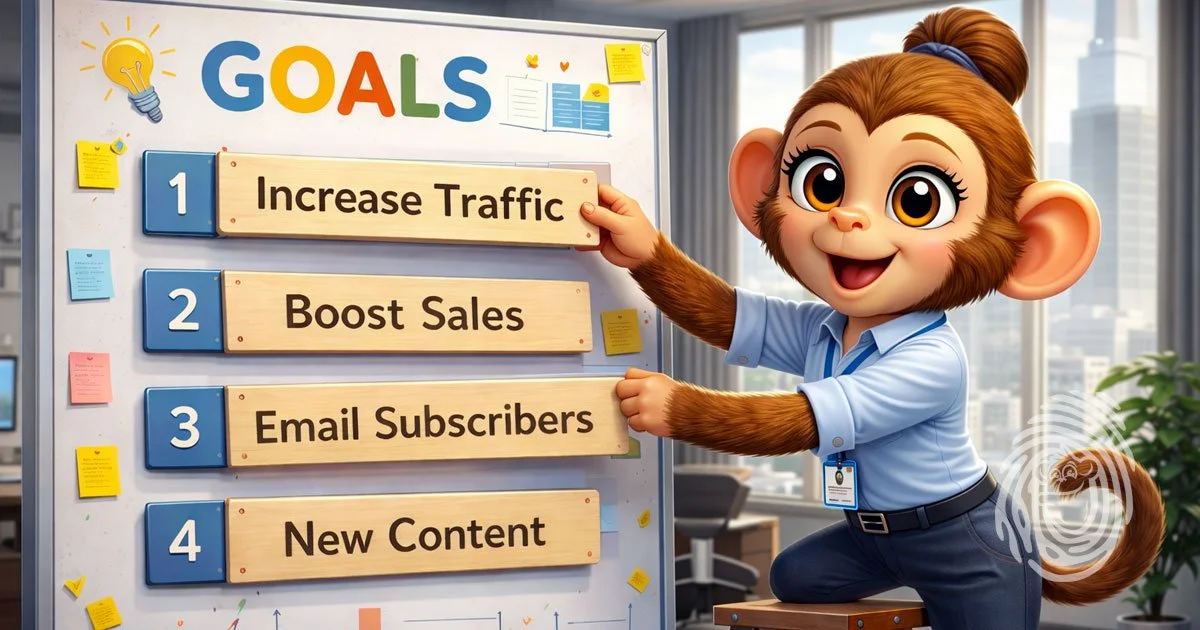
Setting priorities is easier when your goals are visible, ranked, and intentional. Clear focus turns good intentions into measurable progress.
Most small business goals fail for one simple reason: they’re either too vague or too rigid.
“Grow the brand” isn’t actionable.
“Double revenue by March” is often fantasy.
Good goals live in the middle. They’re clear, measurable, and flexible enough to adapt as reality intervenes.
Start with business goals, not marketing goals
Marketing doesn’t exist in a vacuum. Its job is to support real outcomes—sales, leads, retention, margin.
Before deciding what to post or promote, answer this:
What does the business actually need this year?
Marketing goals should flow from business priorities, not compete with them.
Focus on leading indicators
Revenue is the final result, but it’s also the slowest feedback loop.
Leading indicators—traffic quality, inquiries, conversions, engagement—tell you early whether your efforts are working or need adjustment.
Good goals don’t just say where you want to end up.
They tell you what to watch along the way.
Choose metrics you can influence
You can’t control algorithms. You can control:
consistency
clarity
follow-up
targeting
Goals should be built around inputs and behaviors you actually manage.
Build review points, not finish lines
Goals aren’t set-and-forget promises. They’re checkpoints.
Quarterly or 90-day reviews allow you to adjust intelligently instead of clinging to bad assumptions out of pride.
Turn intention into a plan
Knowing this is one thing. Applying it is another.
Use the Interactive Marketing Goals Builder
In a few minutes, you’ll translate vague intentions into a clear 90-day focus—complete with measurable indicators and priorities tailored to your business.
Good goals don’t create pressure. They create clarity.
90-day marketing goals builder
Turn fuzzy intentions into a measurable plan—and email yourself a copy.